



Religious Trauma and Neurodivergence: Why We Are Susceptible
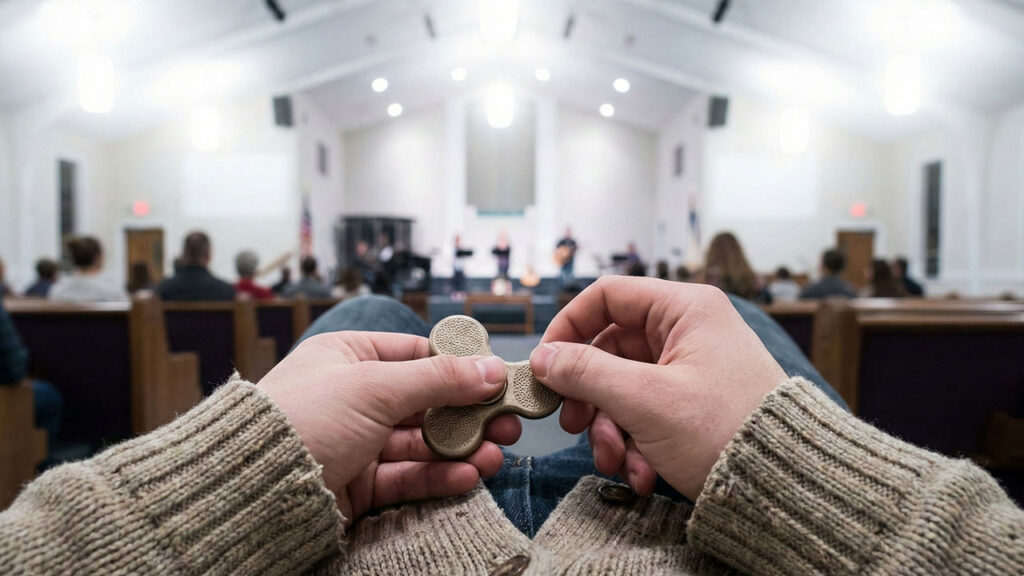
In the “Bible Belt” of the South, religion is more than just a Sunday activity; it is a cultural framework that dictates social rules, moral hierarchies, and community belonging. For many, it provides comfort. But for neurodivergent people—those with Autism, ADHD, or AuDHD—high-control religious environments can become a specific source of deep, lasting psychological injury. […]
The Double Empathy Problem: Why You Aren’t “Bad” at Communicating

If you are an autistic or neurodivergent person, you have likely spent your entire life being told—directly or indirectly—that you are “bad” at communicating. Maybe you’ve been told you are rude when you were just trying to be honest. Maybe you’ve been accused of having “no empathy” because you didn’t react to sad news in […]
PDA vs. ODD: Why “Defiance” Isn’t Always What It Seems

For many parents and adults navigating the world of neurodivergence, there is a specific, heartbreaking cycle that often plays out in clinician’s offices. You explain the struggles: the explosive meltdowns when asked to put on shoes, the refusal to do homework even when it’s a favorite subject, the intense need for control over every tiny […]
How to Find a Therapist Who “Gets” Neurodiversity

Finding a therapist can be a daunting process for anyone. But for neurodivergent individuals—those with Autism, ADHD, and other brain differences—the search carries an extra layer of complexity and urgency. A well-meaning but uninformed therapist can, at best, be unhelpful and, at worst, cause significant harm by invalidating your experience, reinforcing harmful stereotypes, or pushing […]
Neurodiversity at Work: 21 Practical Accommodations You Can Actually Ask For

The modern workplace, with its open-plan offices, constant collaboration, and ambiguous social cues, is often a challenging environment for neurodivergent individuals. The sensory overload, executive function demands, and unspoken expectations can create significant barriers to success, leading to burnout and underperformance. However, it doesn’t have to be this way. Workplace accommodations are not about asking […]
How to Explain Your Neurodivergence to Loved Ones

Receiving a diagnosis of Autism or ADHD as an adult, or coming to a place of self-realization, can feel like finding the missing instruction manual for your own brain. It’s a moment of profound clarity that can reframe a lifetime of experiences, struggles, and strengths. Sharing this deeply personal revelation with the most important people […]
What Is PDA? Pathological Demand Avoidance Explained

Brushing teeth becomes a standoff. A simple “can you send that email?” makes your whole body lock up. Something you were looking forward to becomes impossible the moment it turns into a plan. If this sounds like you or someone you love, pathological demand avoidance may be worth knowing about. What is pathological demand avoidance? […]
What Is Monotropism? Autism, Focus and Flow Explained

For decades, the autistic experience of attention has been described almost exclusively from an external, neurotypical perspective. The language used has often been rooted in a deficit model, with terms like “narrow,” “rigid,” “restricted,” or “obsessive” used to characterize the deep and passionate focus that is a hallmark of the autistic mind. But what if […]
What Is Rejection Sensitive Dysphoria (RSD)?

You send a friend a long message about a hard day. Hours pass with no reply. For some people that is a small annoyance. For you, it starts as a flicker of doubt and becomes a wave of crushing pain: “They hate me. I said something wrong. I’m too much.” It is more than disappointment. […]
‘You’re Too Loud’ and Other Lies: Why ADHD and Autism Look Different in BIPOC Communities

Have you ever been told you’re “too much?” Too loud, too quiet, too intense, too sensitive? For many in BIPOC (Black, Indigenous, and People of Color) communities, these labels are a familiar burden, often wielded to enforce conformity. But what if these judgments aren’t just about personality? What if they are the result of a […]