
You have tried everything. You’ve taken the SSRIs. You’ve sat on the beige couch and filled out the CBT worksheets. You’ve forced yourself to go for walks, meet friends for coffee, and “get out of the house,” just like your therapist suggested.
And yet, you feel worse. The exhaustion is not lifting; it is settling into your bones. You aren’t just sad; you are losing abilities you used to have. Maybe you can’t speak as well as you used to. Maybe the grocery store, which used to be annoying, is now impossible.
If this sounds like you, you may not be failing at depression recovery. You may be dealing with something entirely different: Autistic Burnout.
In North Carolina, where the medical model of mental health still dominates, misdiagnosis is rampant. Neurodivergent adults (Autistic, ADHD, AuDHD) are frequently diagnosed with Major Depressive Disorder or Treatment-Resistant Depression. While the symptoms look similar on the surface—lethargy, withdrawal, flat affect—the root causes are diametrically opposed. And crucially, the treatment for depression can be actively harmful for someone in burnout.
This article explores the critical differences between these two states and outlines a path to recovery that honors your neurobiology.
What is Autistic Burnout?
Autistic Burnout is a state of physical, mental, and emotional exhaustion caused by the cumulative effect of masking and navigating a world designed for neurotypical brains. It is not just “being tired.” It is a systemic collapse of executive function.
The academic definition, increasingly supported by researchers like Dr. Dora Raymaker, characterizes burnout by three main traits:
- Chronic Exhaustion: A fatigue that sleep does not fix.
- Loss of Skills: Abilities you once had (cooking dinner, making phone calls, speaking in full sentences) suddenly vanish.
- Increased Sensory Sensitivity: Lights seem brighter, sounds are more painful, and your tolerance for stimulus hits zero.
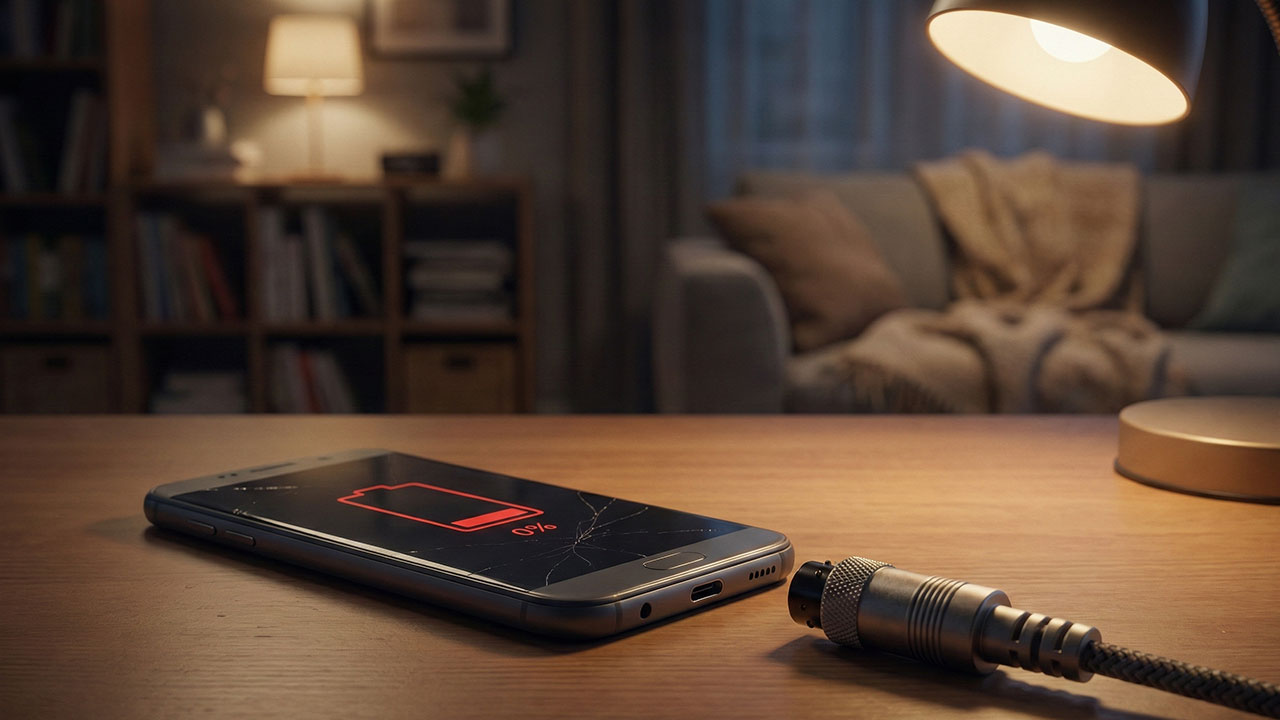
Think of your brain like a phone battery. A neurotypical person wakes up at 100%, uses energy, and goes to sleep at 20%. An Autistic person masking in a neurotypical environment might wake up at 60%, but the “cost” of existing is higher. The fluorescent lights at the office cost 10%. Making eye contact costs 15%. suppressing a stim costs 20%.
Eventually, the battery doesn’t just run out; it stops holding a charge. That is burnout.
The “Lookalike” Trap: Why It’s Confused with Depression
To the untrained eye—and to many well-meaning but non-affirming therapists—burnout looks exactly like clinical depression.
- Withdrawal: Both depressed and burnt-out people stop socializing.
- Anhedonia (supposedly): Both seem to lose interest in hobbies.
- Executive Dysfunction: Both struggle to shower, clean, or work.
- Flat Affect: Both may have a “monotone” voice or lack facial expression.
However, the internal experience is different.
The Key Difference: “Can’t” vs. “Don’t Want To” In clinical depression, the primary driver is often anhedonia—the inability to feel pleasure. A depressed person stops painting because painting no longer feels good. They stop seeing friends because they feel unworthy or apathetic.
In Autistic Burnout, the driver is capacity. You might desperately want to paint. You miss painting. But looking at the canvas feels physically impossible. You want to see your friends, but the thought of processing spoken language makes you want to cry.
- Depression: “I don’t care about anything.”
- Burnout: “I care too much, but my body has engaged the emergency brake.”
Why Standard Therapy (CBT) Fails Burnout
This distinction matters because the “Gold Standard” treatment for depression is Behavioral Activation.
Behavioral Activation posits that depression is a cycle of avoidance. You feel bad, so you do less, which makes you feel worse. The therapy encourages you to “do it anyway.” Go to the gym. Go to the party. The theory is that action precedes motivation.
For an Autistic person in burnout, Behavioral Activation is Kryptonite.
If your battery is broken because you have been over-functioning for years, telling you to “do more” is dangerous. It pushes you further into the red. When a therapist tells a burnt-out Autistic person to “push through the discomfort” to socialize, they are effectively prescribing the very poison that made the client sick: Masking.
We see this constantly in our practice. Clients come in traumatized by previous therapy, believing they are “resistant” or “broken” because the more they tried to comply with depression treatment, the more they lost the ability to function.
The Role of Skill Regression
One of the most terrifying aspects of burnout that depression models don’t explain is skill regression.
You might be a 35-year-old professional who suddenly cannot read a clock face, or who finds themselves going non-speaking after a meeting. This is not laziness.
When the brain is in survival mode, it diverts energy from “high-cost” cortical functions (speech, emotional regulation, complex planning) to keep the basic systems running. It is a biological safety mechanism. In a neurodiversity-affirming framework, we validate this. We don’t try to “train” the skill back immediately. We respect that the skill is offline because the system is unsafe.
A Neuro-Affirming Path to Recovery
If you are in Autistic Burnout, the cure is not “activation.” It is radical rest.
- Permission to Drop the Ball
Recovery begins by acknowledging you cannot do what you used to do. This is painful. It requires grieving the “functional” version of yourself. Affirming therapy involves identifying which balls are glass (must not drop) and which are plastic (can be dropped).
- Can you switch to paper plates to save sensory energy on washing dishes?
- Can you use text-to-speech instead of typing?
- Sensory Sanctuary
You must reduce the “load” on your nervous system to allow it to recharge. This looks like:
- Spending time in low-light environments.
- Using noise-canceling headphones before you feel overwhelmed.
- Engaging in “same-ness” (eating the same safe food, watching the same comfort show) to reduce the cognitive load of decision-making.
- Re-engaging with Special Interests
Unlike depression, where interests lose their luster, in burnout, Special Interests are regenerative. Engaging with a special interest (whether it’s Warhammer, mycology, or Taylor Swift) creates a flow state that recharges the autistic brain. While standard therapy might frame an obsession as “avoidance,” we frame it as “medicine.”
- Unmasking the Trauma
Long-term, we must address why you burned out. Usually, it is because you were performing a version of yourself that was unsustainable. Therapy then becomes a space to safely experiment with unmasking:
- What does it feel like to not make eye contact during a session?
- What does it feel like to stim when you are anxious?
Conclusion: You Are Not Broken
If you are reading this and recognizing yourself, please know: You are not a failed neurotypical person. You are an Autistic person running on empty.
The road out of burnout is slow. It is not a straight line. But it starts with rejecting the mandate to “push through.” In North Carolina’s affirming community, we believe that your worth is not tied to your productivity. Your battery can hold a charge again, but only if we stop forcing it to power a life that wasn’t built for you.
Ready to explore affirming support? Search our directory for “lived experience” providers who understand burnout from the inside out.