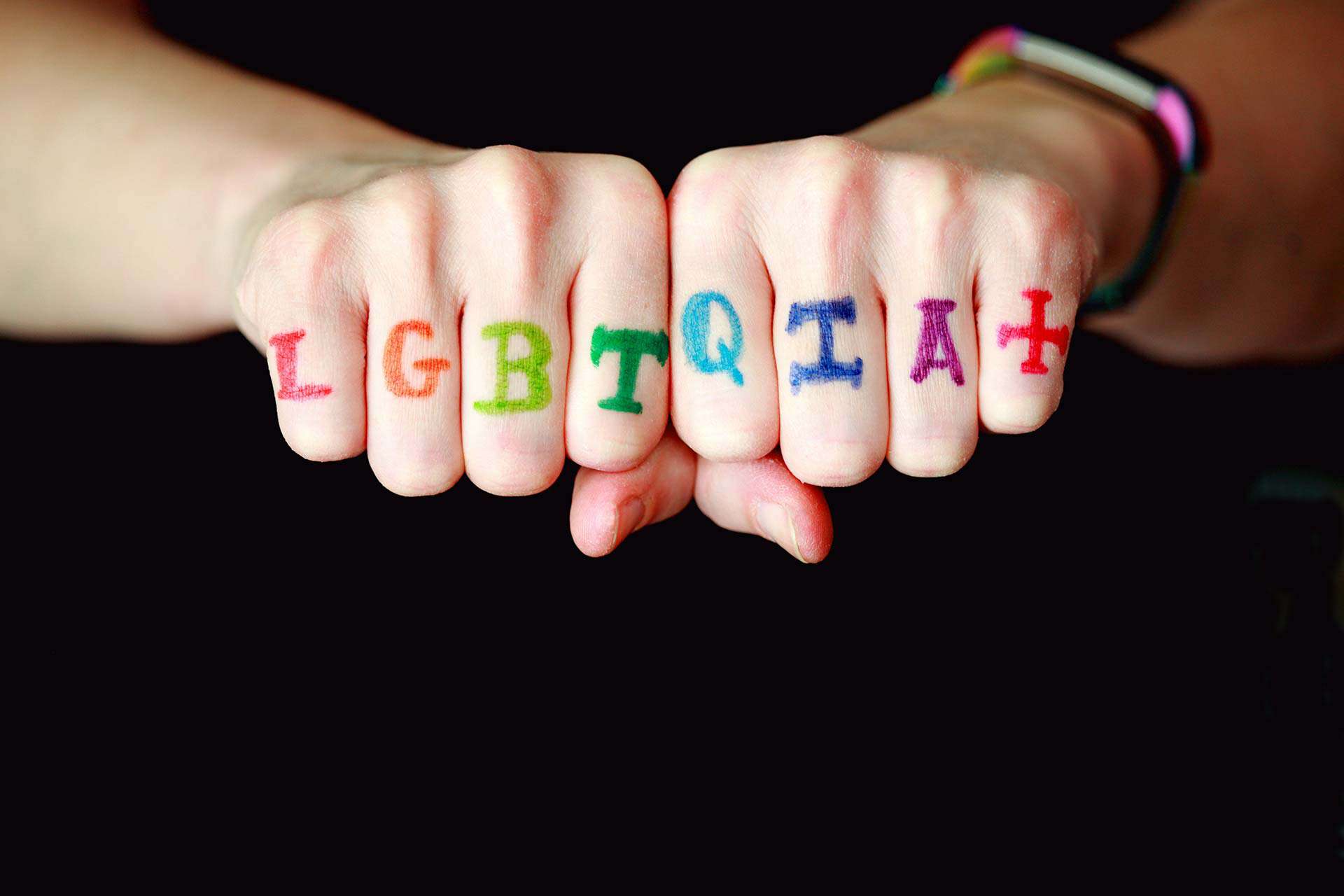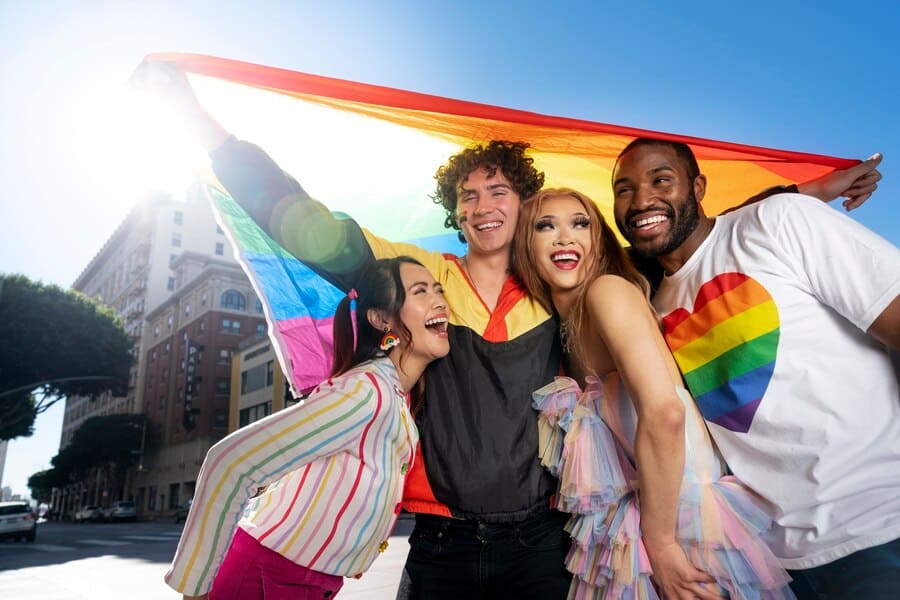

If you spend time in either the neurodivergent community or the LGBTQIA+ community in North Carolina, you will notice a striking overlap. It often feels like almost everyone who is Autistic is also Queer, Trans, or Non-Binary, and vice versa.
This isn’t just an anecdote. Research consistently shows a significant statistical overlap between neurodivergence (specifically Autism and ADHD) and gender diversity. In the therapy room, we call this intersection “Neuroqueer.”
For decades, the medical model tried to pathologize this link. Doctors would gatekeep gender-affirming care, claiming that an Autistic person didn’t “understand” gender well enough to transition. Today, the Neurodiversity-Affirming movement flips that script. We believe that neurodivergent people don’t lack an understanding of gender; rather, they often possess a truer, more authentic understanding of it because they are less bound by arbitrary social rules.
This article explores the science and lived experience of the Neuroqueer intersection, explaining why our brains resist gender norms and how to navigate a transition that honors your sensory needs.
What Does “Neuroqueer” Mean?
“Neuroqueer” is a term coined by neurodiversity scholars (like Dr. Nick Walker) to describe the specific experience of being neurodivergent and queer, where the two identities cannot be separated.
It is not just “having Autism” plus “being Gay.” It is the understanding that your neurodivergence influences how you experience your gender and sexuality, and your queerness influences how you experience your neurodivergence.
The “Social Construction” Mismatch To understand why Autistic people are more likely to be trans or non-binary, we have to look at how gender works. Gender is largely a social construct. It is a set of unspoken rules, performances, and expectations (e.g., “Boys don’t cry,” “Girls sit nicely,” “Women are nurturing”).
Autistic brains are wired to question, bypass, or ignore arbitrary social rules that do not follow logic.
-
The Neurotypical Brain: Absorbs social norms by osmosis. They perform gender because “that’s just what you do,” often without questioning it.
-
The Autistic Brain: Asks, “Why?”
-
Why does this piece of fabric mean I’m a girl?
-
Why does having short hair change how people treat me?
-
Because Autistic people struggle to perform social scripts in general (masking), they often struggle to perform the “Gender Script.” When an Autistic person looks at the rigid box of “Man” or “Woman,” they often don’t see a home; they see an illogical prison. This leads many to identify as Non-Binary, Agender, or Genderfluid—identities that exist outside the arbitrary rules.
The Sensory Reality of Transitioning
For Neuroqueer individuals, gender dysphoria is often inextricably linked with sensory dysphoria.
If you are Autistic, you likely have tactile defensiveness (hypersensitivity to touch/texture). This complicates the standard narrative of medical transition. Standard advice for trans folks often ignores sensory processing disorders.
1. The Binder/Tucking Problem For many transmasculine folks, binding is essential for mental health. But for an Autistic person, the compression of a binder can trigger a sensory meltdown or a claustrophobic panic attack.
-
Neuroqueer Strategy: We focus on “Sensory-Safe Affirmation.” This might mean using Trans Tape (which removes the constriction of a vest), wearing oversized layers, or prioritizing top surgery sooner because the sensory cost of binding is unsustainable.
2. Hormones and Emotional Regulation Hormone Replacement Therapy (HRT) changes more than your body; it changes your emotional landscape.
-
Testosterone can sometimes lower the threshold for crying or change how anger is processed. For an ADHDer who already struggles with emotional impulsivity, this can be jarring.
-
Estrogen can heighten emotional sensitivity. In affirming therapy, we prepare for these shifts. We don’t view them as “side effects” to be feared, but as new sensory data points to be integrated. We create plans for “Second Puberty” that account for executive dysfunction—like using visual timers to remember injection days or body-doubling with a friend to manage the anxiety of a shot.
The Trauma of “Double Gatekeeping”
Historically, Neuroqueer people in North Carolina have faced “Double Gatekeeping” from the medical system.
-
The Gender Clinic: “We can’t give you hormones because your Autism makes you unstable/confused.”
-
The Mental Health Clinic: “We can’t treat your Autism because your gender issues are too complex.
This is why finding a Neurodivergent-Affirming Provider is non-negotiable. Practices like Bluebird Avenue Art Therapy or Be BOLD Psychology in NC specifically train in this intersection. They operate on an Informed Consent model. They know that being Autistic does not make you incompetent; it makes you honest.
Unmasking: The Ultimate Convergence
The ultimate goal of Neuroqueer therapy is Unmasking.
-
Autistic Unmasking: Stopping the performance of “neurotypicality” (suppressing stims, forcing eye contact).
-
Gender Unmasking: Stopping the performance of cis-normativity (dressing to blend in, hiding pronouns).
When a client starts to unmask one, the other often follows. We frequently see clients come in for ADHD support, stop masking their fidgeting, and suddenly realize, “Wait, if I don’t have to act like a neurotypical person, maybe I don’t have to act like a woman either.”
This is a moment of profound liberation. It is the moment where the energy you spent surviving is freed up for living.
Conclusion: You Are Not “Confused”
If you are reading this and wondering if your gender feelings are “just a fixation” or “part of your Autism,” know this: Your identity is real.
Your neurology and your gender are strands of the same DNA. You are not “confused” because your brain works differently. You have a unique, expansive capacity to view gender without the limitations of social conditioning. That is not a symptom; it is a superpower.
Looking for a therapist who understands the Neuroqueer experience? Check our resources for providers who celebrate the intersection of Autism and Gender Diversity.